Understanding the Difference Between WCS and WMS
When it comes to optimizing warehouse operations, understanding the key differences between WCS software and WMS software is essential. These two systems work together to streamline logistics but serve distinct purposes in warehouse management.
What is WMS Software?
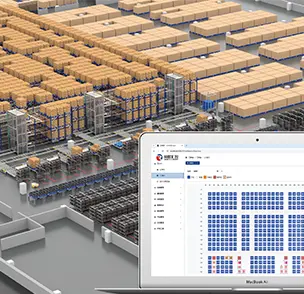
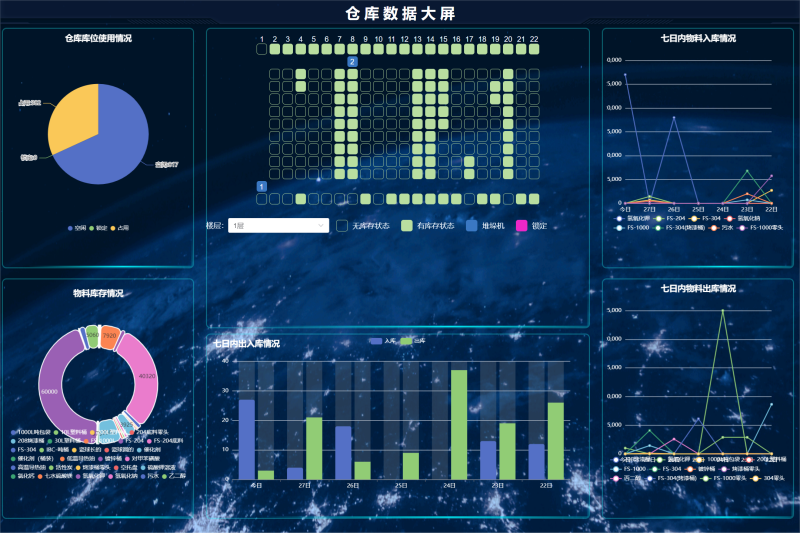
WMS software (Warehouse Management System) focuses on high-level logistics planning in a WMS warehouse. The WMS system manages tasks such as inventory control, order fulfillment, and shipment tracking, helping businesses improve efficiency and reduce errors. Essentially, WMS provides the strategy blueprint for warehouse operations.
What is WCS Software?
WCS software (Warehouse Control System) operates on a more granular level within the WCS warehouse. It manages automated equipment like conveyors, sorters, and robotic systems, ensuring real-time coordination and execution of tasks directed by the WMS. WCS bridges the gap between software-driven strategies and physical action on the warehouse floor.
Key Differences Between WCS and WMS
- Functionality: While WMS strategizes and organizes, WCS executes and controls physical processes.
- Integration: A WMS warehouse usually integrates with business management tools, whereas a WCS warehouse directly interfaces with warehouse material handling equipment.
- Focus: WMS handles overall warehouse management, while WCS is equipment-oriented.
At Tianjin Master, we offer expertly designed warehouse system solutions to ensure your operations run efficiently. Whether you're seeking advanced WCS software or feature-rich WMS software, we provide tools tailored to meet your needs.
Characteristics of Warehouse Management Software Systems
The characteristics of warehouse management software systems lie in their ability to ensure efficient storage and precise goods management while leveraging automated operations to significantly improve efficiency. These warehouse systems are widely used across various industries. In manufacturing, they manage the storage of raw materials and finished products; in e-commerce, they handle massive order warehousing with speed and accuracy. Logistics centers depend on these software systems for seamless goods transfer, making them an indispensable tool for modern operations.
The Benefits of Integrating WMS and WCS for Seamless Operations
Integrating WMS and WCS has many benefits. These warehouse software systems enhance operational efficiency as they work together to ensure smooth information flow. It improves accuracy and reduces errors. Also, it optimizes resource utilization, making warehouse operations smoother, speeding up order processing, and increasing customer satisfaction.